Historic homes are full of stories. Its beautiful architecture takes your breath away. When you own a historic house, you are living in a piece of history! The memories built into every corner remind you why it should never be abandoned. It is only natural that a house would need repairs or a fresh look every few years, so how do we do that? A historic house renovation must be done very carefully. One wrong change can take away the special character that makes the home historic in the first place. Homeowners count on Timco Builders because we know how to blend the old with the new.
Why Historic House Renovation is Especially Challenging
Let’s establish that renovating a historic home is not the same as a regular remodel. There are important rules and hidden problems that surprise homeowners. Many people love the charm of the home but worry about things like:
- Will modern changes ruin history?
- Can the structure handle upgrades?
- Are special materials required?
- Will the cost be higher than expected?
It is totally understandable that a historic house renovation can feel overwhelming. However, after all that chaos, doing things right in fact keeps the past alive. It makes your home stronger and more comfortable for today’s lifestyle.
Know What Makes Your Home “Historic”
There are a few important things you, as a homeowner, need to learn before a renovation. You should know when the home was built and should be completely aware of the original features. So, you can decide if you want them to stay or not. Lastly, you should be aware of the local laws and determine whether the house is protected. Some homes are registered as historic landmarks.
That means you must follow strict rules to preserve things like:
| Wood floors | Windows |
| Roofing styles | Exterior bricks |
Let’s Renovate Your Historic Home
There are a few different but important parameters that should be checked during a renovation. Come along with us as we discuss them all in detail:
Inspect for Hidden Issues
Older homes hide problems under the surface. Because of old age, even fixable things can disturb the renovation process. A full inspection helps catch these early. It prevents costly repairs. Historic homes can be fragile, so renovations should never be rushed!
What is categorized as a hidden issue, you may ask? Let’s see:
- Weak foundations
- Old plumbing or wiring
- Water damage
- Mold or pests
- Outdated insulation
Preserve Original Features Whenever Possible
One of the biggest goals in a historic house renovation is protecting the home’s beauty. If original pieces can be saved, they should be!
Let’s look at some of the examples of historic pieces:
| Vintage fireplaces | Original hardwood floors |
| Decorative trim and molding | Antique doors |
Why throw out a perfectly vintage piece when you can restore it with the help of a professional team? Timco Builders specializes in restoration techniques that respect the home’s original craftsmanship.
Upgrade With Modern Comforts
You don’t need to live like it’s 1920 to enjoy historic charm. It is 2025, take full benefit of that. However, the key is to hide modern elements so they don’t change the look of the home. Smart design blends new features seamlessly into the old structure.
Modern upgrades like the following can improve your daily comfort:
- Energy-efficient windows
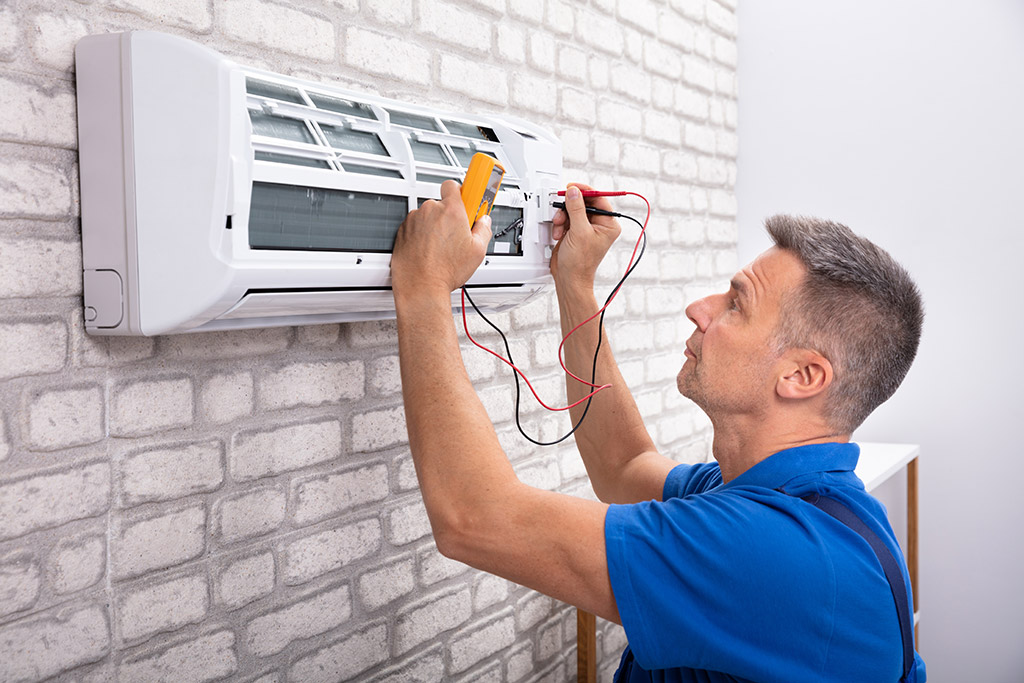
- Updated electrical systems
- Safer plumbing
- HVAC systems for heating and cooling
- Better insulation
Use the Right Materials
When something does need replacement, do not waste your money! Instead, spend money on the correct materials. It is essential for keeping the home looking authentic (just like the builders intended many years ago).
Here is a table summarizing what we mean:
| ORIGINAL FEATURE | BEST RENOVATION CHOICE |
| Antique brick | Same size and texture brick |
| Lime-based plaster | Matching historic plaster |
| Wood windows | Wood-style replacement, not vinyl |
Stay True to the Home’s Design Style
Each historic home style has a personality. Victorian, Colonial, Craftsman, Spanish Revival. All are beautiful in their own way. Choosing the wrong design can take away its charm. A knowledgeable contractor will use the correct style details, such as lightning fixtures and paint colors. He will know what roof shape and floor patterns are better. Remember, preserving history is the mission. Every detail is chosen with respect to the home’s past.
The Bottom Line
A historic house renovation is a chance to protect the past while building a better future. The right plan and the right team restore the house’s charm, all while improving its comfort. All this also raises the home value because the safety is increasing as well. As a homeowner, you are enjoying the best of both worlds this way. Timco Builders is here, whether your home needs small repairs or a full transformation. We will help you protect what makes your home special for generations.
FAQ
Is it worth renovating an old house?
It is definitely worth renovating an old house if it possesses good structural integrity and unique architectural features. Be sure it is in a desirable location where the final market value will exceed the total cost of purchase plus renovation.
What is it called when you renovate an old building?
It is called restoration (bringing it back to its original state) or rehabilitation (making it functional while preserving its character).
Is it okay to buy a 100-year-old house?
Yes, it is okay to buy a 100-year-old house. But you must prioritize an inspection to assess the condition of major systems and the foundation.
What are the signs of structural damage?
Some key signs of structural damage include large cracks, sagging floors, doors, and windows that do not close properly, and visible gaps between the wall and ceiling or floor.
Is it normal for a 100-year-old house to have cracks?
It is normal for a 100-year-old house to have some minor cracks due to the settling and movement over decades.