If you have ever wondered about the roof cost, then you are definitely not alone. The task of replacing or installing a new roof is one of the biggest investments a homeowner can make. But how much should you really expect to spend in the first place? The answer does depend on several factors, like the size of your roof, the materials you choose, labor costs, and even where you live.
When it comes to professional roofing solutions, Timco Builders can be your go-to solution. They have earned a strong reputation for reliability, transparency, and craftsmanship in the relevant market. Their experienced team does play a great role in guiding the homeowners through every step of the process, from choosing materials to understanding pricing that will ensure every project delivers quality and value.
What’s the Average Roof Cost in the U.S.?
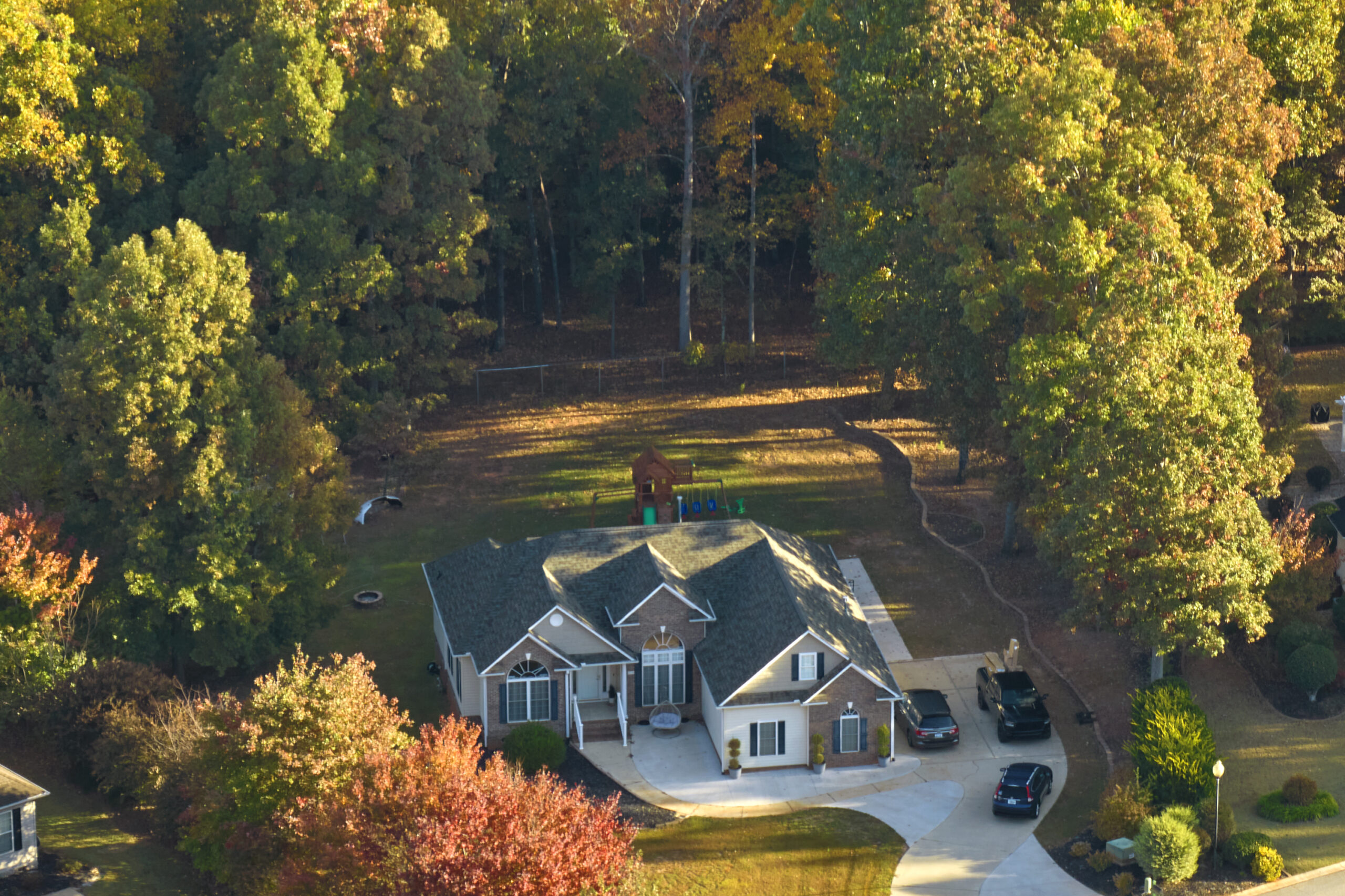
The average roof cost in the United States has typically ranged from $8,000 to $18,000, which is dependent on the material, size, and location. The costs can start around $7,000 to $10,000 for the smaller homes using standard asphalt shingles, while the larger homes or premium materials like metal, slate, or tile can raise that total to $20,000 or more.
The asphalt shingles remain the most common and cost-effective choice, while higher-end materials tend to last longer and offer better aesthetics. It is highly important to consider the long-term value, not just the upfront cost, as quality materials and professional installation often reduce future repair expenses as well.
Factors That Affect Roof Cost
There are several factors that influence roof cost, starting with the size and slope of your roof. A larger or steeper roof would generally require more materials and labor, which naturally increases costs in the end. It is interesting to know that the type of material you choose also has a big impact.
The asphalt shingles are the most affordable, while metal, tile, and slate options have been offering better durability but come with higher price tags. The labor costs will typically make up 40–60% of the total project, which solely depends on the regional pricing and the complexity of your roof design. Removing the old roof before installation can add another $1,000 to $3,000 at the same time.
How to Plan Your Roofing Budget
Once you have an idea of your potential regarding the roof cost, then planning your budget carefully is key. It is always smart to collect at least three quotes from licensed contractors to compare the pricing, materials, and warranties. The lowest price is not always the best value, but what matters most is quality and transparency.
The professionals have recommended that homeowners keep an extra 10–15% of their budget for unexpected repairs, such as replacing the damaged decking or improving insulation. Their team is dedicated to providing detailed estimates so you know exactly where your money is going by ensuring no hidden charges or last-minute surprises.
Why Quality Roofing Is Worth the Cost
It can be tempting to choose the cheapest option, but low-quality roofing materials or unskilled labor would often lead to costly problems later. It is important to know that a poorly installed roof can cause leaks, poor insulation, and higher energy bills. You need to think beyond the initial expense and consider long-term benefits when it comes to evaluating the roof cost.
Ways to Save on Roof Replacement
If your roof cost seems high, then there are still smart ways to save money without sacrificing quality. The smart way of scheduling your replacement during the off-season, such as late fall or early winter, will often help you to secure better pricing since roofing demand is lower. You should also review the insurance policy for the homeowner, as some plans cover partial or full roof replacement if damage was caused by storms or natural events.
The step of selecting mid-range materials like dimensional shingles can also help in balancing the cost and performance. A professional inspection can also play a great role in determining whether you truly need a new roof or if targeted repairs would be more cost-effective.
Final Thoughts
The understanding regarding the roof cost is about more than comparing numbers, as it is about making an informed investment for the safety, comfort, and value of your home. It is one of the most important upgrades you can make, while a new roof may feel expensive at the same time. A durable, well-installed roof is more likely to offer peace of mind, improved energy efficiency, and long-term savings. The key is finding a balance between cost and quality all at once.
FAQs
1. What is the average roof cost for a small home?
The average roof cost usually ranges between $7,000 and $10,000 for smaller homes.
2. Does roofing material affect cost?
Yes, materials play a major role. Asphalt shingles are the most affordable, while tile, slate, or metal roofing significantly increases the costs but lasts much longer too.
3. How long does a new roof last?
Asphalt shingles would generally last 20–30 years, while metal or slate roofs can last 50 years or more with proper maintenance.
4. Is it worth hiring professionals?
Professional installation will ensure safety, quality, and compliance with building codes and all of which justify your roof cost.
5. Can I finance my roof replacement?
Yes, there are many contractors offering financing options to make roof replacement more manageable for homeowners.